Arabic Learning Toys and Books for Kids: A Guide for Bilingual Families
We may earn a commission from links on this page, at no extra cost to you. How we choose.
Many families raise children who hear more than one language at home. If Arabic is part of your family life, or you would like your child to learn it, toys and books can make the language a natural part of everyday play.
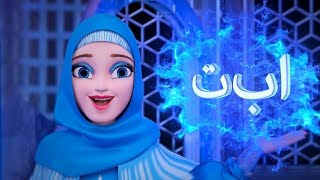
Our Arabic alphabet song is one of the ways we support families who want to introduce Arabic letters in a friendly, familiar format. Pairing songs with hands-on toys gives children lots of chances to see, hear and touch the letters.
In this guide, we cover Arabic learning toy types for toddlers and young children, along with practical tips for supporting two languages at home.
Arabic alphabet puzzles and letter toys
The Arabic alphabet has 28 letters, and many change shape depending on where they sit in a word. For young children, starting with the standalone letter forms keeps things simple.
Arabic is written and read from right to left, which is worth mentioning when you point along a row of letters. Children who are also learning English often find this interesting rather than confusing, especially when it is presented as a game.
- See options on Amazon
Wooden Arabic alphabet puzzle
Each letter fits into its own space, supporting recognition and fine motor skills.
Age 2y+ - See options on Amazon
Arabic letter foam mat
Large interlocking tiles let children sit, crawl and play on the letters.
Age 12m+ - See options on Amazon
Arabic letter stacking blocks
Blocks with letters on the sides make building a chance to name letters.
Age 18m+ - See options on Amazon
Arabic letter tracing board
Tracing grooves with a finger or stylus prepares children for writing.
Age 3y+
What are the best Arabic flashcards for toddlers?
Flashcards work best as a game rather than a test. Choose cards with clear letters and pictures of familiar objects, and use them for matching, hiding and finding, or pointing out letters in songs.
- See options on Amazon
Arabic alphabet flashcards
Letter cards with pictures help link each letter with a word.
Age 2y+ - See options on Amazon
Arabic first words flashcards
Everyday vocabulary like colours, animals and food supports speaking.
Age 2y+ - See options on Amazon
Arabic number cards
Introduce Arabic numerals and counting words.
Age 3y+ - See options on Amazon
Arabic memory matching game
Turn-taking games build vocabulary and concentration.
Age 3y+
Magnetic Arabic letters and hands-on learning
Magnetic letters on the fridge keep Arabic visible during daily routines. Older children can use them to build simple words and their own name.
Try placing a letter on the fridge each week and looking for things around the house that start with that letter. Short, regular moments like this tend to be more enjoyable for children than long practice sessions.
- See options on Amazon
Magnetic Arabic letters
A fun way to practise letter recognition while you cook or chat.
Age 3y+ - See options on Amazon
Arabic letter lacing cards
Threading around letter shapes builds fine motor control.
Age 3y+ - See options on Amazon
Arabic alphabet sensory board
Textured letters let children trace shapes with their fingers.
Age 2y+
Talking pens and Arabic sound books
Hearing correct pronunciation is especially helpful if not every carer at home speaks Arabic. Talking pens and sound books let children hear letters and words on demand.
Many families use a simple approach where one parent or relative speaks Arabic and another speaks English, while sound toys and songs add extra listening time. There is no single right way, and consistency often matters more than the method.
- See options on Amazon
Arabic talking pen with books
Touch the pen to a page to hear words and sounds, which supports independent exploration.
Age 3y+ - See options on Amazon
Arabic alphabet sound book
Pressing buttons plays letter names and sounds.
Age 18m+ - See options on Amazon
Arabic learning tablet toy
Letter and word buttons offer quick, repeatable practice.
Age 2y+ - See options on Amazon
Arabic nursery rhyme sound book
Familiar songs help children enjoy the rhythm of the language.
Age 12m+
Bilingual Arabic-English board books
Bilingual books let parents and carers read in whichever language they are most comfortable with, and they help children link words across both languages.
- Choose simple books with one or two words per page for toddlers.
- Read the same book in both languages on different days.
- Let grandparents and relatives read in Arabic to build family connections.
- See options on Amazon
Arabic-English first words board book
Everyday words with pictures for pointing and naming.
Age 12m+ - See options on Amazon
Bilingual picture dictionary
A larger book that grows with your child.
Age 3y+ - See options on Amazon
Arabic bedtime story books
Short stories make Arabic part of a calm nightly routine.
Age 2y+
Safety checklist
Talking pens and sound books often use button or coin batteries. Check that the battery compartment is secured with a screw, as required under Australian mandatory standards, and keep spare batteries out of reach. Choose letter puzzles and blocks labelled for your child's age, as some contain small pieces unsuitable for under-3s under Australia's mandatory toy standard for children up to 36 months.
Magnetic letters should have magnets fully enclosed and be checked for damage regularly. Foam mats should be free of loose pieces that toddlers could bite off.
Questions parents ask
What is the best age to start teaching Arabic to children?
Children can hear and enjoy Arabic from birth through songs, stories and conversation. Letter toys usually become interesting from around two or three.
Will learning two languages confuse my child?
Mixing languages is a common and normal part of growing up bilingual. If you have concerns about your child's speech development, speak with your GP or a speech pathologist.
How can I teach Arabic at home if I am not fluent?
Songs, sound books and talking pens can help with pronunciation. Learning alongside your child and involving Arabic-speaking relatives can also make a big difference.
Are Arabic alphabet songs useful for toddlers?
Songs repeat letter names in a memorable rhythm, which many children enjoy. Watching together and pointing to letters on a puzzle or flashcard helps connect what they hear with what they see.
Should I teach Arabic letters or spoken Arabic first?
For young children, spoken language usually comes first through conversation, songs and stories. Letter toys can be introduced alongside when your child shows interest.